The Score That Never Was: When an NTFL Match Officially Didn't Happen
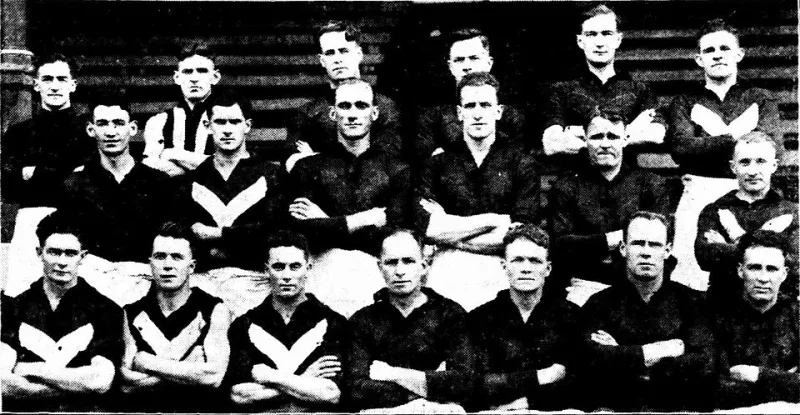
Photo: Anonymous photographer, Public domain, via Wikimedia Commons
There is a particular kind of NTFL conversation that starts with a scoreline and ends with a shrug. We were 2-0 up when the lights went out. It finished 1-1, but it didn't count. No, it was 63 minutes — the referee had already checked his watch twice. The match was played. People saw it. Some of them paid in, stood in the cold and sang about it. And yet, officially, it never happened.
Abandoned matches are the loose threads of the NTFL season. They sit outside the table, outside the form guide and often outside the written record, but very much inside the terrace memory. This is not a guide to how to get a game called off. It is a look at what happens when one is — and why the score that never was can feel more real than the replay that follows.
The Rules Bit: Void, Replay, Repeat
In most NTFL cases, an abandoned match does not carry its score forward. If a game is stopped before the required point — whether that is a floodlight failure, a frozen pitch, a serious injury, or something stranger involving a dog and a corner flag — the league board usually treats the result as void. The fixture is replayed in full at a later date. Not from the 63rd minute. Not with the old score carried over. From 0-0.
That sounds simple. It rarely is. The original date may have been a Saturday when one side had a full squad and the other had three players on holiday. The replay might land on a Tuesday in February, with a different keeper, a different pitch and a different atmosphere. The team that was 2-0 up feels robbed. The team that was 2-0 down feels reprieved. Everyone else argues about whether the league got it right.
Disciplinary matters are usually separate. Cards and misconduct from the abandoned game do not simply vanish because the result does. Players can still be suspended. Clubs can still be fined. The scoreline is wiped; the paperwork is not. That is the bit supporters often forget when they are busy shouting about a replay.
The Greatest Hits of the Vanished Result
Every NTFL supporter of a certain age has one. A game that was abandoned and never quite left them.
There is the floodlight one. They are always dramatic. The lights do not usually go out all at once with a cinematic clunk; more often one bank flickers, then another, and the referee squints into the gloom before deciding that nobody can safely see a bouncing ball. The home side was winning. The away side had just brought on a giant striker. The tea bar had sold out of sausage rolls. And then, darkness.
There is the frozen-pitch one. Not the sensible morning postponement, but the game that starts, survives 20 minutes and then loses a corner of the pitch to frost. Players slide, the referee calls it, and everyone trudges off wondering why it was allowed to begin. The result is void. The memory is of a defender falling over near the corner flag for no apparent reason.
And there is the injury one. The least funny, the most serious, and the one that tends to linger longest. A bad break, a long stoppage, an ambulance on the touchline, and a referee who decides the players cannot continue. Nobody argues about that one. The result is secondary. But it still disappears from the table, and that can feel odd when the match itself was so memorable.
Why the Vanished Score Feels More Real
There is a reason supporters keep talking about these games. A replay is official. An abandoned match is folklore. The replay has a date, a result and a line in the programme. The abandoned match has a story.
It also has a strange emotional weight. If your team was winning, the score that never was becomes a badge of bad luck. We'd have won the league if that game had stood. If your team was losing, it becomes a quiet escape. We got out of jail there. Either way, it is a result you can carry around without the inconvenience of it being true.
The league table, meanwhile, has to be cold about it. It cannot count what did not finish. That means abandoned matches can distort the season in ways nobody notices until April. A team may have played one fewer game than everyone else, or two more. The replay can land in a midweek slot when the squad is thin. The original game becomes a ghost fixture that affects fixture congestion, form and the occasional relegation argument.
The Replay Is Never the Same Match
Here is the awkward truth: the replay almost never settles the argument. It is a different game. Different weather, different pitch, different team news. The team that was 2-0 up may lose 3-0. The team that was 2-0 down may win. And the original abandoned match still sits there in the memory, unbeaten and unbothered by reality.
That is why the best NTFL abandoned-match stories are not really about the rules. They are about the gap between what happened and what counted. The scoreline that never was can be more vivid than the replay that followed. It is the match that got away, the result that lives in the pub rather than the record book.
And in a league where so much of the joy is in the retelling, that is not nothing. It is just another way the NTFL keeps its supporters talking long after the final whistle — even when that final whistle came early.