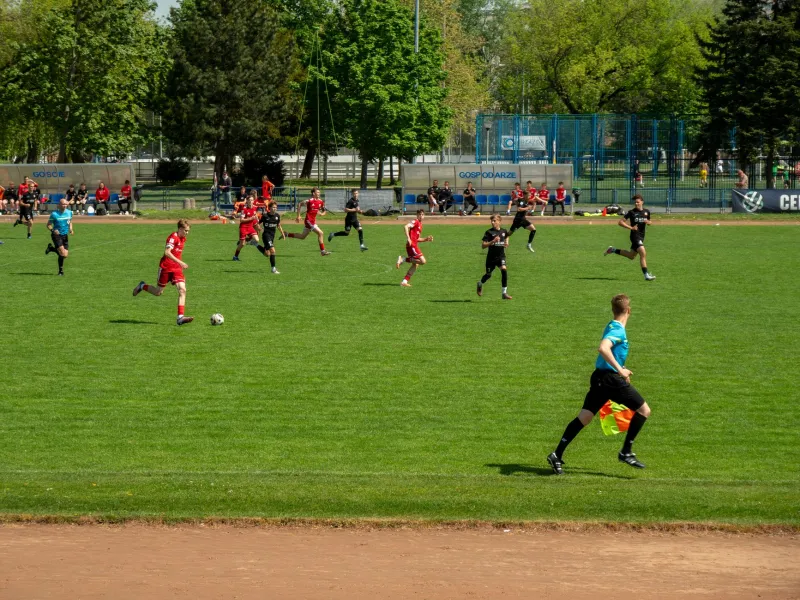
The Warm-Up Tape: Why NTFL Crowds Keep Coming Back to the Same Three Songs
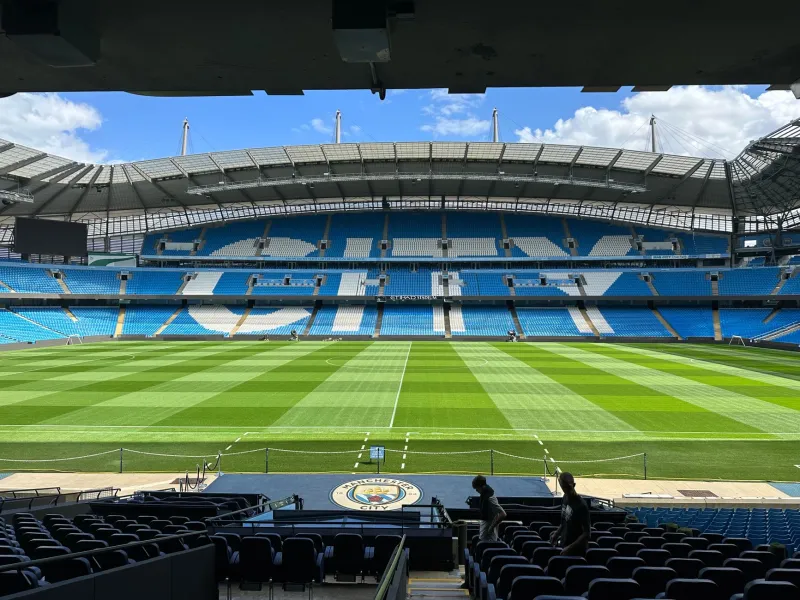
At 2:43pm on a Saturday, most NTFL grounds sound the same. There is the clatter of the tea urn being dragged across a table, the squeak of a gate hinge, a steward asking someone to move a car from the access road — and then, from a speaker perched somewhere between the clubhouse and the main stand, the first bars of a song everyone has heard a hundred times before.
It is rarely a carefully curated playlist. More often it is a laptop, a borrowed lead cable and a volunteer who has been handed the aux for the afternoon. Yet those twenty minutes before kick-off have become one of the most reliable rituals in the NTFL. The songs are not the point, exactly. The repetition is.
The Laptop and the Lead Cable
Walk around the league and you will spot the same setup: a small table behind the turnstiles, a laptop with a sticker-covered lid, a playlist open in a browser tab, and a speaker that has seen better days. At Brackenford, the laptop sits on an upturned crate. At Ashvale, it is balanced on a stack of programmes. At Mossley Vale, it lives in the secretary’s office and is controlled through a half-open window.
The people running it are not DJs. They are volunteers, usually the same ones who put out the corner flags and count the raffle money. Their brief is simple: keep the music going, don’t play anything with swearing before the families arrive, and make sure the away team can hear themselves think during the warm-up. Beyond that, it is instinct.
That instinct tends to produce a very specific sound. A bit of local indie, something with a guitar and a chorus. A dependable crowd-pleaser from the last twenty years. And then, inevitably, the song. The one that gets played every single week, no matter the opposition, the weather or the league position.
Three Songs, One Stutter
The exact trio changes from ground to ground, but the pattern does not. First comes the local track — often by a band who played the clubhouse once and have been adopted ever since. It is usually good, occasionally great, and always a little too loud on the chorus. Then comes the crowd-pleaser: something with a terrace-friendly “woah-oh” section, the sort of song that makes people look up from their phones. Finally, there is the stubborn one. The announcer’s favourite. The song that has been in the playlist since the club moved from the old ground and will probably still be there when the next ground is built.
Fans complain about it constantly. Not seriously, but constantly. “Not this again,” someone will say, as the opening riff crackles through the speaker. Then they will sing along anyway. That is the strange power of the pre-match PA. It is communal without being designed. Nobody voted for it. Nobody can change it. And yet, by the time the teams walk out, the ground feels like it has been warmed up properly.
There is also the stutter. The volunteer who clicks play too early, the lead cable that cuts out during the chorus, the moment when the music is supposed to fade but instead stops dead. These are not flaws. They are signatures. At Dunmere Town, the pre-match playlist has been known to restart from the beginning three times because the laptop goes to sleep. The regulars have stopped noticing. Visitors find it charming.
Why Nobody Fixes It
It would be easy to modernise. A streaming subscription, a decent Bluetooth speaker, a younger volunteer with a better ear. Some clubs have tried. The results are usually worse. A perfectly sequenced playlist feels like a supermarket. The NTFL’s accidental rituals work because they are held together with gaffer tape and habit.
There is also the question of who the music is for. Players warming up mostly ignore it. Managers are focused elsewhere. The people who really hear it are the early arrivals: the ones who get there at half two, take up a spot by the rail, and watch the ground fill up. For them, the playlist is a countdown. It marks the slow shift from empty terraces to a crowd, from the car park filling to the first chant. When the same three songs come around, they know kick-off is close.
That is why the complaints are fond. Supporters do not want a new playlist. They want the old one, exactly as it is, so they can complain about it again next week. The pre-match music is one of the few things in football that has not been optimised. It belongs to the volunteers, the announcers and the people who turn up early enough to hear it.
The Clubs With a Sound of Their Own
Some NTFL clubs do push it further. Pelham Athletic have a longstanding tradition of playing a brass-band arrangement of a local folk tune before every home game, which sounds odd until the first time you hear it echo around the ground. Cinder Lane, meanwhile, lean heavily into 90s indie, largely because the announcer has a very specific record collection and no intention of updating it. Kestrel Park are the outlier: no music at all before kick-off, just the sound of the warm-up and the tea bar. It is a bold choice, and it makes the first announcement of the teams feel twice as loud.
Most clubs, though, sit somewhere in the middle. A borrowed playlist, a reliable lead cable, a speaker that cuts out when the wind picks up. The same three songs. The same slightly awkward silence when the music stops too early. The same feeling, twenty minutes before kick-off, that the afternoon is about to begin.
You can call it lazy. You can call it charming. Either way, it is matchday. And it would be strange to start a Saturday without it.