The Groundshare Tetris: Why NTFL Fixtures Are Built Around Everything Except Football
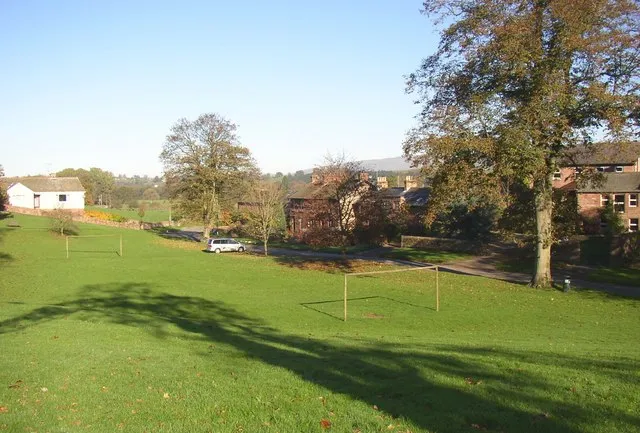
Photo: Humphrey Bolton, CC BY-SA 2.0, via Wikimedia Commons
Every NTFL fixture list looks simple until you realise it is a compromise between cricket squares, church pews, car-boot pitches and the people who run the tea hut. Here is how the 2026 schedule really gets made.
The first draft is a wish list
Ask a fixture secretary what they do and they will probably say something modest about moving dates around in a spreadsheet. What they actually do is solve a puzzle where half the pieces belong to somebody else. The first draft of an NTFL season is less a football schedule than a wish list: these clubs want home games early, those clubs cannot start until the cricket square is handed back, and one ground is unavailable on the second Saturday of every month because the car-boot sale got there first.
Saturday 3pm is the ideal. It is not the default. Once you accept that, the 2026 fixture list starts to make sense. The odd Thursday night, the cluster of 2pm starts in late summer, the fixture that lands on a date nobody can quite explain until someone mentions a church service and a shared car park: none of it is random. It is what happens when a football league has to share its weekends with the rest of village life.
Cricket has the square until it doesn’t
The biggest handbrake on any NTFL summer schedule is cricket. Clubs that groundshare with a cricket club do not simply need the football pitch to be free; they need the square protected, the outfield recovered and the groundstaff to sign off. That is why some NTFL sides spend the opening weeks of the season on the road, and why the first home fixture can feel like a reward for patience.
In 2026, the pattern was familiar. A handful of clubs did not get a true home Saturday until the cricket season had properly wound down. Their early fixtures were reversed, shuffled or sent to a neutral-ish venue that was available but not exactly convenient. Supporters grumbled, as they always do, but the alternative was worse: a fixture list that ignored the square and produced a pitch inspection every other week.
The league also has to think about wear and tear. A shared ground that hosts cricket, football and the occasional dog show cannot absorb a midweek reserve game and a Saturday first-team match without someone noticing. Fixture secretaries know which grounds recover quickly and which ones turn into a bog after two matches in eight days. The 2026 list reflects that knowledge, even if it is invisible to anyone buying a programme at the gate.
Church, car boots and the Sunday veto
Sunday football has its own rules. Church services rule out the obvious morning slots for some clubs. Car-boot sales swallow the car park at others. And the volunteer who opens the pavilion, puts the nets up and makes sure the toilets are not a health hazard might also be the person who has to be at work at 6am on Monday.
That is why Sunday fixtures in the NTFL are not just about finding a spare pitch. They are about finding a spare pitch, a spare car park and a spare human being who is willing to give up their morning. The 2026 fixture list shows a league that has learned to protect its volunteers. Some clubs now avoid back-to-back Sunday home games because the same three people do everything. Others have quietly moved away from Sunday entirely, preferring a Friday night or a Saturday lunchtime that keeps the groundstaff and the tea bar crew on side.
It is not glamorous. It is not supposed to be. A fixture list that ignores volunteer fatigue is a fixture list that eventually produces a walkover, a postponed match and a lot of angry text messages.
What clubs actually lobby for
Clubs do lobby for certain slots, but not always for the reasons supporters assume. Yes, everyone wants a home game on the opening day. Yes, local derbies are better on a Saturday than a Tuesday night. But the real negotiations are usually about practicalities: travel, floodlights, shared gates and whether the pitch can cope with a second match in a week.
The 2026 list reveals a few quiet priorities. Longer midweek trips were kept to a minimum where possible. Clubs with smaller volunteer pools got fewer consecutive away days. A couple of local derbies were placed on dates that avoided clashes with other events in the same town, which sounds obvious until you remember that the same car park is sometimes used for three different things on the same weekend.
There is also the matter of momentum. Fixture secretaries know that a club with a tough start and too many away trips can lose the interest of its own supporters before October. The 2026 schedule does not wrap anyone in cotton wool, but it does try to give newly promoted or struggling sides a fair crack at building a rhythm. That is not favouritism. It is basic league management.
The list is a compromise, not a puzzle
Supporters see a fixture list and think it is a football document. It is not. It is a compromise between cricket, church, car boots, council bookings, groundstaff, volunteers and the simple fact that there are only so many Saturdays in a season. The 2026 NTFL fixture list is not perfect. It never is. But look closely and you can see the league’s real priorities: keep the grounds playable, keep the volunteers coming back and keep the season moving.
So the next time a fixture lands on a strange date, spare a thought for the person who moved it there. They probably had a very good reason, and it probably had nothing to do with football.